
Clear the triggers that keep pulling you back toward him, so your boundaries hold without you white-knuckling them.
Without reliving what happened. Even if you've already done years of therapy. And you don't have to spend the next five years talking about it.
You already left. 90 minutes, and you'll know why it's still running.
The workshop, live on Zoom, walking you through The Trauma-Free Recovery Method. You'll walk out with the three keys and the exact tools Dakota runs with private clients.
Save My Seat
Thursday, September 10 · 7:00 PM ET · Free
Here's a fraction of what you'll walk out with.
Three keys. Not three more things to understand, three things that actually stop it. Each one solves a specific reason knowing hasn't been enough.
The tools that run on the pattern underneath the story.
You've read everything. You can name every tactic he used. And your stomach still drops when the phone lights up.
MetaMove and Neural Sync. Two rapid-clearing tools aimed at the pattern underneath the story, run daily on whatever is present, plus the Four Pillars that give your body something to hold the change with.
Change what's voting when the boundary comes up.
You know exactly what to say. You've written the boundary down. And it collapses anyway, and then you spend a week wondering what's wrong with you.
Change what's voting. Your physical space, your phone, the five people you spend the most time with, and the survival patterns still running your mouth in a hard moment.
Anchor the new wiring so it holds under pressure.
Nobody has ever given you a finish line, so this feels like something you'll be managing for the rest of your life.
Anchor the new wiring so it holds under pressure, map where you're actually going, and make the turn from surviving it to being useful to somebody two years behind you.
Any of these describe where you are right now.
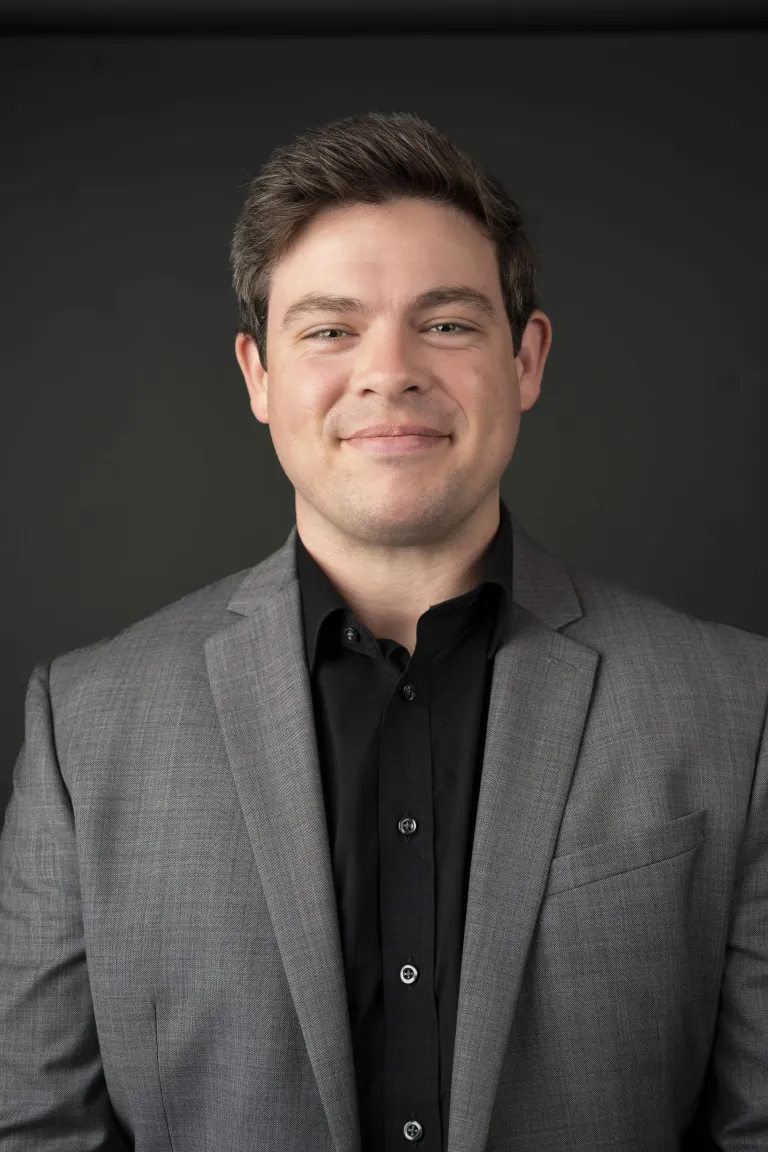
Dakota Sutcliffe, and I help professional women clear what narcissistic abuse left running.
On paper: eighteen years helping people make real changes, most of it as a volunteer through my church before I ever did it professionally. Certified in Integrative Lifeworks Coaching and in Mindscaping, trained in NLP and EFT-based work.
I'll be honest with you about the size of it. I've worked with over a hundred people at this point. About twenty-five of those paid me, and there are more than three hundred and fifty inside my community. I'm not going to tell you it's thousands, because it isn't, and I don't make claims I can't back. What I can tell you is what happened. An anxiety trigger cleared in under five minutes. Hand tremors down in about ten, with before and after photos. Knee and back pain, and the grinding that came with it, gone in fifteen. And licensed therapists who sat down skeptical, ran the tools anyway, and looked up surprised.
But the real reason I can help you with this specific thing isn't on a certificate. I grew up in it. My mother was a narcissist. My father was partly one. Three of my aunts. Two pastors. An employer, and his second in command was worse. And I was married for sixteen years to it.
It took me years to figure out what I was even dealing with, because it was normal to me. If you had walked up to me back then and told me I was stressed, that I was anxious, I'd have looked at you and said no, I'm fine. And I'd have meant it. I went looking for something after two anxiety attacks six months apart, and what I found is what I teach now.
"Managing it keeps you upright on a bad day. But managing doesn't resolve the thing that keeps creating the bad day. Your brain filed what happened as a pattern, and a pattern runs on its own whether you understand it or not. Clear the pattern and the reaction stops."
Stay live and the Scorecard is yours.
The exact scorecard Dakota runs with clients in week two. Sleep, hydration, nutrition and movement, each rated one to ten, with the specific first adjustment for whichever one comes back lowest. It's the piece almost everybody skips, and it's the reason their work doesn't hold past Thursday.
Available only to live attendees of The Trauma-Free Recovery Method workshop. Not on the replay.
You already left. 90 minutes, and you'll know why it's still running.
And exactly what stops it. You'll walk out with the three keys and the two rapid-clearing tools Dakota runs with private clients, plus the Four Pillars that give your body something to hold the change with.
And you'll never be asked to tell anybody what happened.